
NASPSPA is very grateful to our generous sponsors and exhibitors who supported the 2026 NASPSPA Conference!

If you have any questions, please contact Executive Director Penny McCullagh (naspspaed@gmail.com)
Susan Goldin-Meadow

Susan Goldin-Meadow is the Beardsley Ruml Distinguished Service Professor in the Departments of Psychology and Comparative Human Development at the University of Chicago. Her research focuses on the most basic building blocks of language and thought as they are developed in early childhood. She is interested in uncovering linguistic components that are so basic they will arise in a child’s communication system even if the child has limited access to outside linguistic input. Goldin-Meadow’s research has also generated more broadly applicable insights into how the spontaneous gestures that learners produce can reveal their readiness to learn language, math, and scientific concepts. She is the founding Editor of Language Learning and Development, and has been president of the International Society for Gesture Studies, president of the Cognitive Development Society, chair of the Cognitive Science Society, and president of the Association for Psychological Society. She is the recipient of a Guggenheim Fellowship, received the William James award for lifetime achievement in basic research from APS and the Distinguished Scientific Contribution Award from APA, was elected to the American Academy for Arts and Science in 2005, presented the Nora and Edward Ryerson Lecture at the University in 2017, and was elected to the National Academy of Science in 2020. She has also received awards from the University of Chicago and the American Psychological Association for both graduate and undergraduate teaching. Her research has been funded by the National Science Foundation, the Spencer Foundation, the March of Dimes, the Templeton Foundation, and the National Institute of Child Health and Human Development.
Sport & Exercise Psychology Keynote
Jean Côté

Jean Côté, Ph.D., is a Professor in the School of Kinesiology and Health Studies at Queen’s University in Kingston, Canada, where he led the School as Director from 2006 to 2019. His research focuses on youth sport, coaching, positive youth development, and the development of sport expertise. Since 1999, he has led eight consecutive research programs as Principal Investigator funded by the Social Sciences and Humanities Research Council of Canada (SSHRC). His newest SSHRC project (2026–2031) examines how the concept of ‘interest’ can keep young people engaged in sport. Dr. Côté is a Fellow of the International Society of Sport Psychology (ISSP) and of the Canadian Society for Psychomotor Learning and Sport Psychology (SCAPPS). He has mentored 10 postdoctoral fellows, 16 doctoral students, and 39 master’s students, many of whom now hold academic and professional positions. He received the Award for Excellence in Graduate Supervision from Queen’s University in 2013. Beyond academia, he has advised and worked with several organizations, including the International Olympic Committee (IOC) through its youth athlete development consensus groups (2015, 2023); the International Council of Coaching Excellence (ICCE) on its research committee; the National Basketball Association’s (NBA) youth health and wellness research group; and the American Orthopedic Society for Sports Medicine, where he contributed to its consensus statement on early sport specialization. Dr. Côté resides in Kingston, Ontario, where he enjoys spending time with his family, heading to the lake, and picking up a game of tennis or squash.
Motor Development Keynote
Chen Yu

Chen Yu is the Charles and Sarah Seay Regents Professor of Psychology and Computer Science and Director of the Center for Perceptual Systems at the University of Texas at Austin. He is an internationally recognized researcher whose work bridges developmental psychology, cognitive science, motor development, and artificial intelligence to understand how human intelligence emerges through perception, action, and interaction with the natural world. His research investigates how motor actions, visual attention, and social interactions jointly shape early learning and cognitive development. A central focus of his work is understanding how infants actively explore and learn from their environments through coordinated movements of the eyes, head, hands, and body. Using innovative multimodal sensing technologies, including head-mounted eye tracking, motion tracking, and naturalistic behavioral observation, his research examines how developing motor skills create opportunities for visual exploration, sustained attention, social coordination, and language learning. His research also explores how principles of embodied human learning inform artificial intelligence and developmental robotics. Dr. Yu received his Ph.D. in Computer Science from the University of Rochester. His interdisciplinary research has been supported extensively by the National Institutes of Health and the National Science Foundation, including a recently funded NSF Science and Technology Center (STC) on Human and Robot Co-Adaptation, for which he serves as co-Principal Investigator. He is a Fellow of the Cognitive Science Society and the Association for Psychological Science. His honors include the Early Distinguished Contribution Award from the International Society on Infant Studies, the Robert L. Fantz Memorial Award from American Psychological Association, and multiple best paper awards in cognitive science and developmental robotics.
Motor Learning & Control Keynote
Daniel Corcos
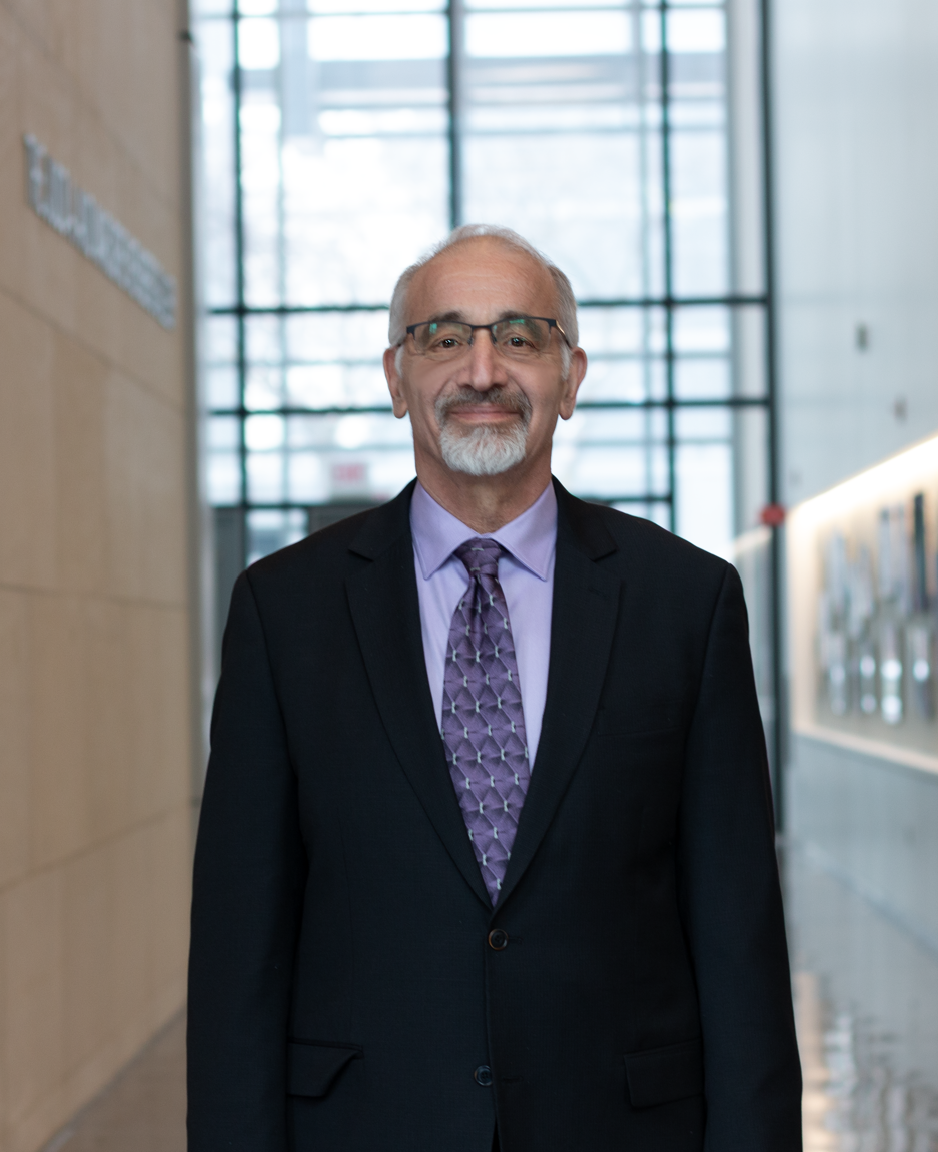
Dr. Daniel Corcos is a tenured full Professor in the Department of Physical Therapy and Human Movement Sciences at Northwestern University in Chicago. He is a member of the National Academy of Kinesiology and an Honorary member of the American Physical Therapy Association. He has conducted 2 successful clinical trials on the effects of exercise for people with Parkinson’s disease. The first was the Progressive Resistance Exercise Trial (PRET) which showed that progressive resistance exercise improved the symptoms of Parkinson’s disease, as well as strength, function and cognition. The second was the Study in Parkinson Disease of Exercise trial (SPARX2) which suggested that high intensity endurance exercise may slow disease progression in Parkinson’s Disease. He is currently the Principal Investigator SPARX3 which is a Phase 3 clinical trial which is designed to test the hypothesis that high intensity endurance exercise (80-85% of max heart rate) is in fact disease modifying. This study includes in vivo measures on brain activity which will support disease modification if they change in a positive direction. The study will also be using social cognitive theory variables as predictors of exercise adherence and compliance. He has written the section on exercise guidelines for people with Parkinson’s disease in the American College of Sports Medicine Guidelines for Exercise Testing and Prescription, Twelfth Edition (2026). He has been continuously funded by the NIH since 1986 and has been awarded more than $55 million in NIH grant funding as Principal Investigator. He has 300 plus publications, an H index of 81 and more than 22,000 citations. He has also chaired to 2 different study sections at NIH and attended his first NASPSPA conference in 1986.
Senior Lecturers
Sport & Exercise Psychology
Thomas Raedeke

Dr. Thomas Raedeke is a professor and former Director of Graduate Studies at East Carolina University in the Department of Kinesiology, College of Health and Human Sciences. His research agenda is driven by a broad interest in understanding how movement experiences can be structured to facilitate continued involvement and enhanced psychological well-being in both sport and physical activity settings. In particular, Dr. Raedeke is internationally known for his scholarship on burnout where he has completed measurement studies and research aimed at understanding motivational and stress processes underlying burnout development. Based on a standardized citation network assessment, his research is in the top 2% of all scholars worldwide (Ioannidis et al, 2016) and has been published in a variety of kinesiology, medical/public health, and psychology journals. Tom has served as the Secretary-Treasurer for NASPSPA and was named a Fellow through the Association for the Advancement of Applied Sport Psychology. Additionally, he has served as an Associate Editor for the Research Quarterly for Exercise and Sport and on the editorial boards for the Journal of Applied Sport Psychology and Sport, Exercise, and Performance Psychology. He also co-authored the Sport Psychology for Coaches text. In addition to his scholarly work, Tom has been recognized for his teaching excellence and has received several university teaching awards including the University of North Carolina Board of Governors Award for Excellence in Teaching. Tom is longstanding member of NASPSPA with his first conference presentation in 1989.
Motor Development
Beth Smith
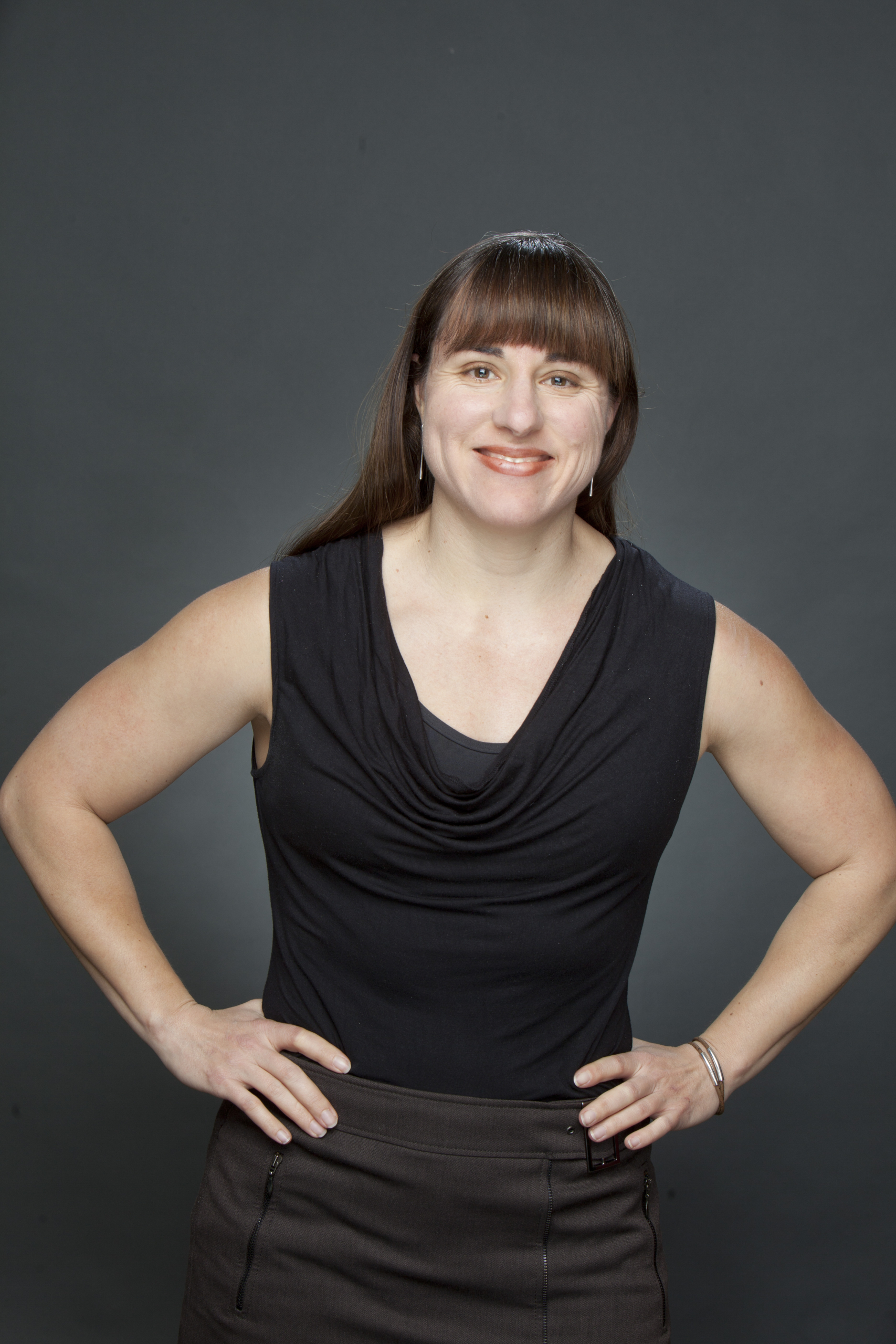
Beth A. Smith, PT, DPT, PhD is Associate Professor in the Division of Developmental-Behavioral Pediatrics in the Department of Pediatrics in the Keck School of Medicine at the University of Southern California. She is the director of the Infant Neuromotor Control Laboratory at Children’s Hospital Los Angeles. Her research interest is in understanding the relationship between infant movement, underlying neural control, infant learning, and neurodevelopmental outcomes. To study this, she uses technologies (wearable sensors, smartphones, electroencephalography, robotics, and head-mounted eye tracking) in novel and complementary ways to fully capture and measure infant movement and learning. She uses wearable sensors and smartphones to accurately capture and measure an infants’ full repertoire of movement and behavior through full-day monitoring. She uses electroencephalography to measure underlying neural control of movement. Robotics and eye gaze tracking provide information about infant attention and learning. Current and past projects are funded by the National Institutes of Health. Past projects have also been funded by the Bill & Melinda Gates Foundation, the Foundation for Physical Therapy Research, the Academy of Pediatric Physical Therapy, the CAL-PT FUND, the National Science Foundation, and the Southern California Clinical and Translational Science Institute. She attended her first NASPSPA conference as a PhD student and has been attending regularly since then!
Motor Learning & Control
Jared Porter
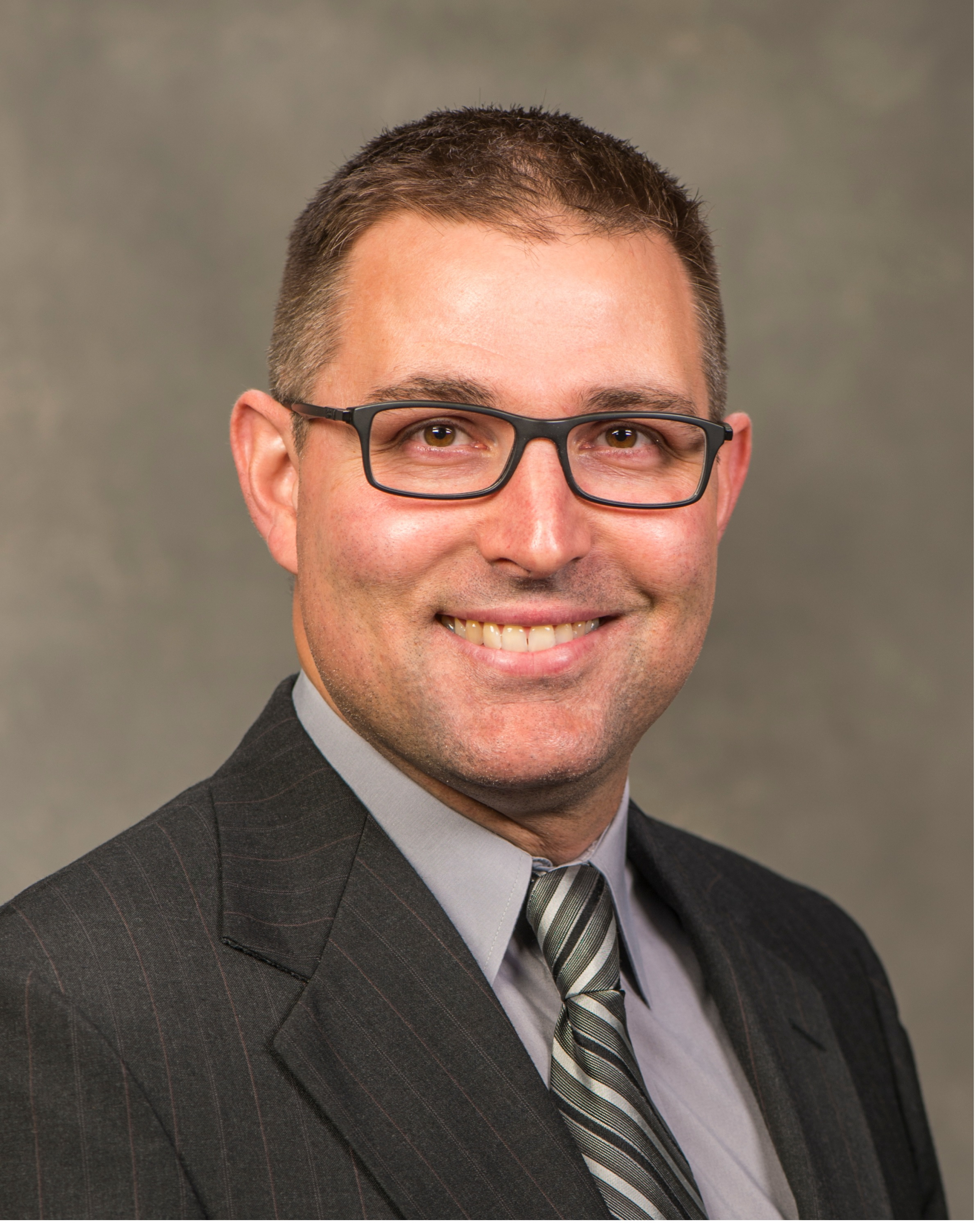
Dr. Jared M. Porter is a Professor and Associate Department Head at the University of Tennessee. He also serves as the Director of the University of Tennessee Motor Behavior Lab and is a founding member of the University of Tennessee Defense Development Applied Research Center (DARC). He holds adjunct research appointments at multiple international universities and is a Subject Matter Expert for the Homeland Defense and Security Information Analysis Center (HDIAC) and the Applied Research Laboratory for Intelligence and Security (ARLIS). Dr. Porter’s research investigates how humans learn/re-learn motor skills and how the human nervous system generates skillful movements. He is primarily interested in determining how factors such as virtual and augmented reality, practice design, human factors, skill level, cognitive load, decision-making, and focusing of attention interact with motor skill learning and performance. His research has practical applications to various settings such as military/tactical mission planning and performance, patient rehabilitation, coaching education, competitive sport settings, and occupational training venues. He has been an active member of NASPSPA since 2002. He is currently an editorial board member for several journals and was a founding editorial board member of the Journal of Motor Learning and Development, an official journal of NASPSPA. His research has been funded by federal agencies including the Department of War, Department of Energy, National Science Foundation, National Institutes of Health, state, and local organizations within the United States of America and abroad. His work has also been supported by numerous industry partners where he has developed and validated the deployment of new technology to optimize human performance.
Abstract Submission Portal Opens: December 1
Abstract Submission Portal Closes: January 19, 2027 (Midnight Pacific Time)
Conference Abstract Submission Information
- You must be a current NASPSPA member to submit your abstract. Memberships run from September 1 to August 31 of the following year. To facilitate your abstract submission, we recommend that you update your membership here no later than January 10, 2027. Waiting to update your membership on the same day as your abstract submission could lead to unintended delays.
- Only data-based papers are eligible for submission. To qualify, the work must not have been previously published in an archival scientific publication or presented elsewhere at a national or international conference.
- Please refer to NASPSPA Policy Manual Section II.C.2 Guidelines for Abstract Submission and Presentations (NASPSPA Policy Manual).
- If you check box that you to want to be considered for the Outstand Student Paper Award, you will get an email on Jan 20th about how to submit. You can also go to https://www.naspspa.com/students/#awards that has directions.
Presentation Types
- Verbal presentations will be 12 minutes with 3 minutes for questions.
- Poster presentations will be printed on paper or similar physical media and displayed on poster boards in a conference meeting room. Specifications for posters can be found here.
- Symposia are themed session featuring multiple verbal presentations. NASPSPA encourages interdisciplinary symposia that include presenters from at least two program areas (SEP, MLC, MD) and/or from more than one lab or research group. A typical symposium includes a brief introduction, three speakers, and a discussant or reactor. See below for additional information and the radio button to open the symposium submission portal.
When submitting an abstract, you will have the option of indicating your preference for a verbal or poster presentation. The same reviewing standards apply to both formats.
NASPSPA invites proposals for symposia that bring together scholars to examine important topics relevant to the association’s research areas. Symposia should offer an integrated examination of a central theme, drawing on complementary perspectives, approaches, or findings, rather than a collection of verbal presentations on one topic. Symposia should not consist of presentations from a single laboratory. Representation from multiple universities is encouraged.
Submission instructions: Proposals are to be emailed to Leapetswe Malete (Past President) at maletele@msu.edu and should include in a single PDF the information listed below and the abstracts for each presentation within the symposium.
Submission deadline: December 18, 2026 (Midnight Pacific Time)
Notification of acceptance: Early January 2027
Proposal Requirements
- Title: A concise, informative title reflecting the symposium theme.
- Symposium Description (up to 350 words): Provide a concise narrative addressing the following:
- The central theme, objectives, and scholarly significance of the symposium.
- The relevance of the topic to NASPSPA members.
- How the individual presentations are connected and collectively contribute to understanding the topic.
- The proposed format, including opportunities for synthesis and audience discussion.
- Individual Presentations: Provide a title, presenter name(s), institutional affiliation(s), and a brief abstract for each presentation.
- Discussant (if applicable): Identify the discussant, their institutional affiliation, and their role in synthesizing the presentations and facilitating discussion.
Example Symposium
An example symposium from last year can be found here.
Format and Selection
A typical symposium includes a brief introduction, three speakers, and a discussant, although alternative formats may be considered. Proposals will be evaluated based on scholarly significance, thematic coherence, integration across presentations, relevance to NASPSPA members, and diversity of scholarly perspectives. Final selections will consider proposal quality, overall program balance, and available program space. If a symposium is not accepted, individual abstracts may be re-submitted through the abstract submission portal by January 19, 2027, for consideration as a verbal or poster presentation.
NASPSPA invites proposals for interactive pre-conference workshops that promote professional development, skill building, and collaborative learning. Workshops should address topics relevant to NASPSPA members and may be designed for graduate students, early-career scholars, faculty, researchers, practitioners, or a combination of these groups.
Submission instructions: Proposals are to be emailed to Leapetswe Malete (Past President) at maletele@msu.edu and should include in a single PDF the information listed below and the abstracts for each presentation within the symposium.
Submission deadline: December 1, 2026 (Midnight Pacific Time)
Notification of acceptance: Early January 2027
Proposal Requirements
- Workshop Title: Provide a clear, concise, and engaging
- Presenter Information: Include presenters’ names, affiliations, contact information, and a brief description of their relevant expertise.
- Workshop Description (maximum 350 words): Provide a concise narrative addressing the following:
- Rationale: Explain why the topic is relevant to NASPSPA
- Learning objectives: Two or three specific learning
- Content and format: Main topics, organization, and proposed interactive activities (e.g., demonstrations, hands-on exercises, small-group discussions).
- Intended audience: Graduate students, early-career scholars, faculty, researchers, practitioners, or a combination of these groups.
- Anticipated outcomes: Practical knowledge, skills, or resources participants will
- Workshop Logistics: Specify the proposed duration, any participant capacity limitations, room arrangement, and any technology or equipment needs. Pre-conference workshops are typically 3-4 hours.
Review and Selection
Proposals will be evaluated based on relevance to NASPSPA, clarity of objectives, quality of interactive activities, practical value to participants, and facilitator expertise. Selection will also consider program balance and available resources.
Registration is open! Students be sure to check out opportunities for assistance through the Ambassador program (see Student column in newsletter). Register early. You can cancel up to April 1 without penalty.
| By April 1 | By May 1 | By May 15 | By June 1 | After June 1 and On Site | |
|---|---|---|---|---|---|
| Students | 250 | 300 | 350 | 400 | 450 |
| Post Docs | 275 | 325 | 375 | 475 | 525 |
| Professional | 450 | 500 | 550 | 600 | 650 |
| Retirees | 325 | 375 | 425 | 475 | 525 |
| Non-members | 600 | 650 | 700 | 750 | 800 |
NASPSPA recognizes the challenges of international travel. With many members traveling across international borders, we remain committed to our shared values and the spirit of global collaboration that defines the NASPSPA community. Science transcends borders, and our annual meeting continues to promote knowledge exchange, professional development, and connection. We look forward to gathering in Newport Beach, California for the 2027 conference to strengthen the international ties that advance our field.
If last-minute travel issues prevent attendance, please notify Past President Leps Malete (maletele@msu.edu) as soon as possible and refer to the “no-show” section of the Policy Manual in Section 2.g.